About
Software · Systems · Education
From engineering physics to practical software systems.
I am Sebastian Akaxoxo, a software engineer, technology builder and founder based in Accra, Ghana. My background is in Engineering Physics, and my work now spans software engineering, business systems, connected devices and technology education.
I work from the problem outward: understanding how something currently works, shaping the system it needs, then building and refining it until it holds up in use. That approach applies whether the result is a web application, a backend service or a device in the physical world.

- Based in
- Accra, Ghana
- Background
- Engineering Physics
- Focus
- Software, systems & applied technology
- Founder
- Xonovate
The vision
Building software that genuinely works within its wider context.
The most useful technology is rarely the most complicated. It fits the way people already work, makes the next step clearer and leaves room for the system to change.
My work sits between software engineering and the practical realities of running an organisation: the records that need to be trusted, the handoffs that slow people down, and the decisions that depend on information being available at the right moment.
That perspective shapes how I approach projects. I try to understand the process before proposing the software, ask what already exists, and choose technology that can be maintained and explained.
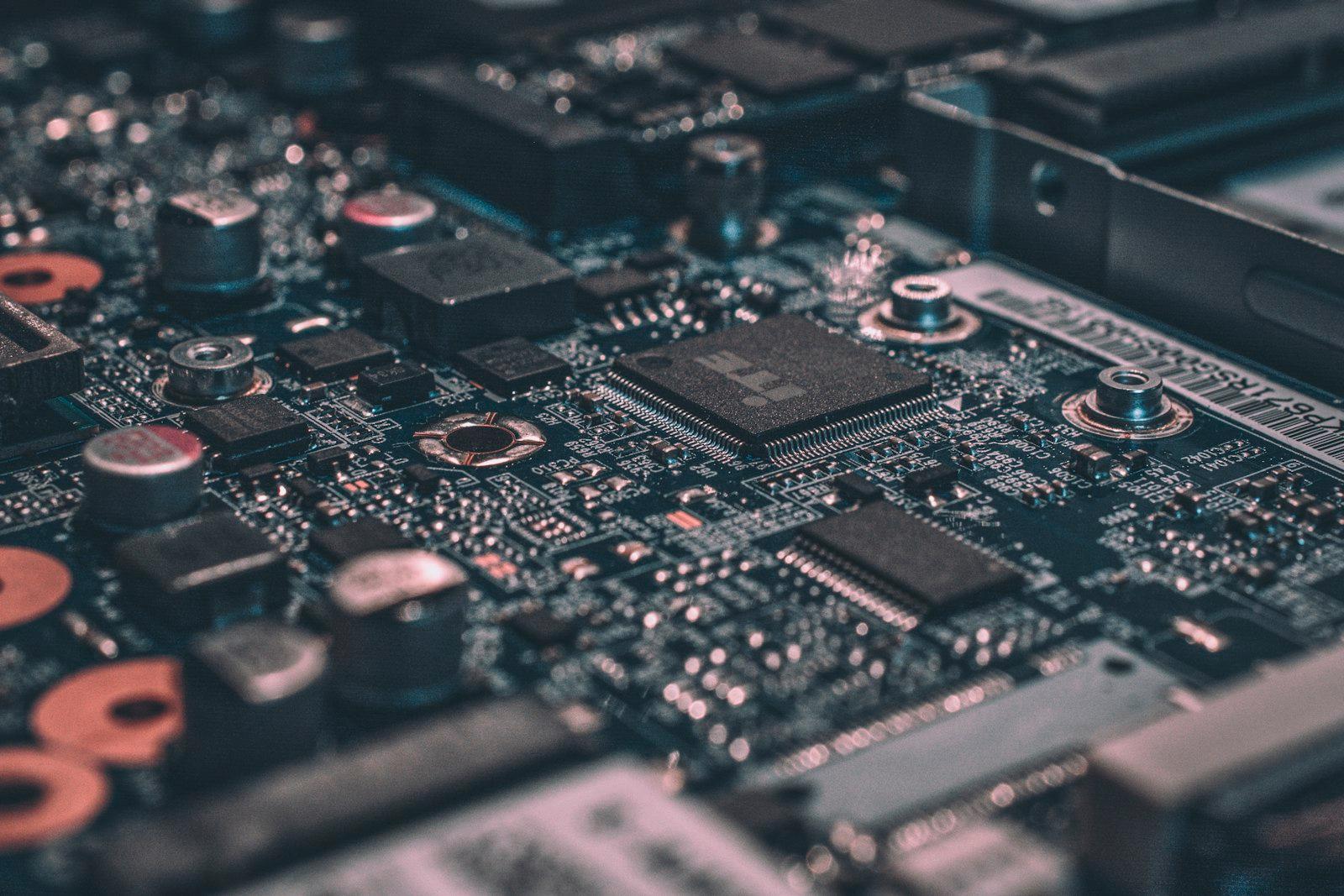
Software becomes more useful when it is understood as part of a wider system.
How I work
Principles, not a fixed process.
Every project has its own constraints. These are the habits I bring to all of them.
- 01
Start with the real problem
A useful solution begins with a clear understanding of the challenge, not a preferred stack or a familiar tool.
- 02
Think in systems
Consider how information moves, how people interact with it, and what the solution will need in order to be maintained.
- 03
Use technology deliberately
The approach should fit the requirements, resources and context. Not every problem needs a complex architecture.
- 04
Build for practical use
Turn an idea into something functional that can be tested, evaluated and used by real people.
- 05
Improve through implementation
Feedback and iteration are part of the work. A system should develop as needs become clearer.
Founder
One ecosystem, two operating arms.
An integrated technology ecosystem spanning software, education and innovation.
The parent ecosystem sets the direction across software, education and innovation. Xonovate Technologies builds software and practical technology solutions. Xonovate Code Champions focuses on hands-on education in coding, electronics, robotics, IoT and AI.
My role is to lead the technical direction and stay close to the work, from product decisions and engineering to the programmes that put technology into practice.
Discuss a collaborationXonovate Technologies
Software development and practical technology solutions.
Xonovate Code Champions
Hands-on technology education covering coding, electronics, robotics, IoT and AI.
Xonovate sets the direction · each arm carries out its own work
Background
Engineering Physics, then applied technology.
I studied Engineering Physics at the University of Cape Coast, where the work centred on physical systems, mathematics and problem solving. That grounding still shapes how I approach software: understand the constraints, test the assumptions and build something that behaves predictably outside the page.
- 01
A foundation in systems, measurement and constraints
- 02
Applied work in software engineering and backend systems
- 03
Hands-on electronics, sensors and connected devices
- 04
Teaching technical ideas clearly and practically
Interests
What keeps the work interesting.
Software architecture
How information is structured, how systems stay understandable, and how software survives beyond its first release.
AI & computer vision
Practical uses of intelligent systems, from image classification to tools that support a specific task.
Embedded systems & robotics
Microcontrollers, sensors and devices that let software sense, decide and act in the physical world.
Technology education
Teaching through building, and making technical ideas clear enough to be used with confidence.
Philosophy
“Technology earns its place when it makes a real task clearer, faster or more dependable. I care about the quality of the working system, not the language used to describe it.”